
(In Honor of American Heart Month)
February is American Heart Month, a time dedicated to raising awareness about cardiovascular health, prevention, and recovery. In honor of this month, and in gratitude for the second chance my heart was given, I wanted to share something deeply personal.
Travel has always been part of who I am. Visiting family, celebrating milestones, exploring somewhere new… I was used to hopping on a plane 1–3 times a month without hesitation.
But on October 23rd, 2024, everything paused.

After being born with aortic valve stenosis that progressed slowly enough to avoid intervention until my late 20s, I underwent the Ross procedure with world-renowned cardiac surgeon Ismail El-Hamamsy at Mount Sinai Hospital in New York City.
The surgery was successful — something I will never take for granted.
But when I finally booked my first post-op trip, I assumed I could travel exactly the way I had before.
I was wrong.
It wasn’t worse. It was just… different.
If you’re planning travel after major surgery — especially heart surgery — this post is for you. And during American Heart Month, it feels especially meaningful to talk about what recovery really looks like beyond the hospital walls.
Here is what I learned and what I want you to know.
Why American Heart Month Matters
American Heart Month is led by the American Heart Association, which works to improve cardiovascular health and reduce deaths from heart disease and stroke.
What often doesn’t get discussed enough is life after surgery:
- The gradual rebuilding of stamina ⚡️
- The emotional adjustment ❤️🔥
- The small but important lifestyle modifications 🥗
For many of us, travel is part of that rebuilding.
1. Accessibility & Disability Services You May Not Know About
You don’t have to “look” disabled to use accommodations. Post-surgical fatigue is real — and airports are massive.
💧 TSA and Medical Needs
The Transportation Security Administration may allow you to bring a fully sealed bottle of water through security for medical reasons. It is subject to testing and agent discretion, but you can tell them you have a medical need.
Hydration is especially important after cardiac procedures.
Kindness, patience, and transparency goes a long way here. I always inform the TSA agent before and after screening that the bag will be flagged and that the water bottle is sealed and for a cardiac condition.
♿ Wheelchair Assistance
Even if you can technically walk, conserving energy matters.
Most airlines allow you to:
- Request wheelchair assistance during booking
- Add it during mobile check-in
- Ask at the airport
You can request:
- Curb-to-gate
- Security-to-gate
- Long-terminal transportation
The difference in fatigue levels can be significant — especially in large airports.
My first post-op trip, I felt I had recovered enough that I wouldn’t need wheelchair assistance as I had started cardiac rehab and was going on several walks a day. However, I quickly realized that the added stress of travel, dealing with luggage, and the size of the airport terminal were all against me. Shortly after security, I requested a wheelchair to get me to and from the gate and was glad I did. Don’t let pride get in the way of your health or your ability to travel.
✈️ Early Boarding
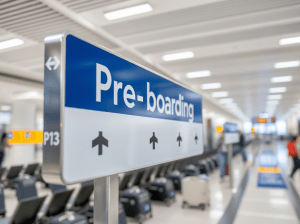
Early boarding reduces stress and physical strain. Simply say:
“I recently had surgery and may need extra time.”
No lengthy explanation required.
2. Heart Surgery–Specific Travel Tips
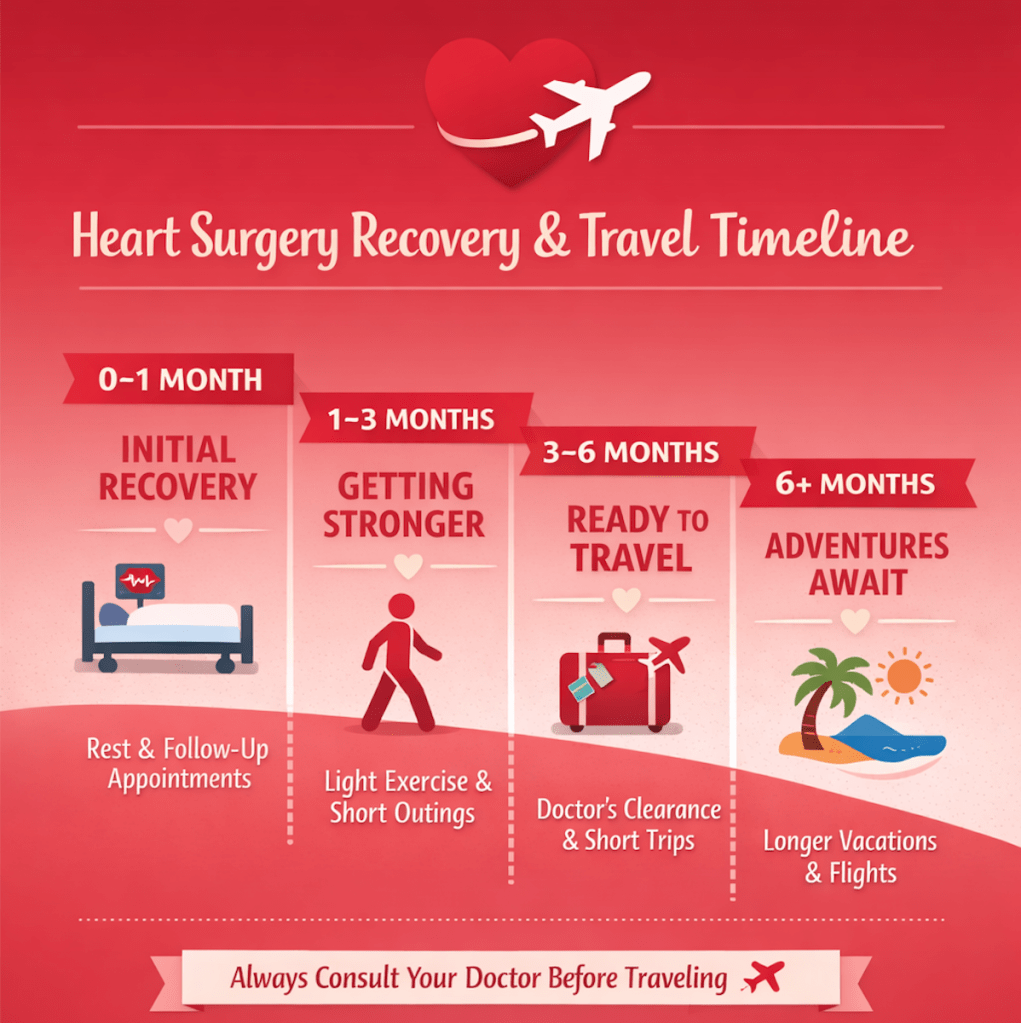
Always confirm travel clearance with your cardiologist or surgeon. The American Heart Association provides general guidance for heart patients, including mobility and clot prevention recommendations.
🧦 Prevent Blood Clots
On longer flights:
- Get up and walk every 1–2 hours
- Do seated calf exercises
- Consider compression socks (if approved by your doctor)
Blood clot prevention becomes even more important after cardiac surgery.
🥑 Bring Heart-Healthy Snacks
Airports aren’t always stocked with ideal options.
You can bring a separate food bag in addition to your carry-on and personal item allowance on many airlines. I could not find explicit blanket airline policies on this, but the general guidance I have heard is if the bag is more than half filled with food items (particularly if they are sealed and look like they were purchased from the airport vendors), it qualifies and should be allowed to be brought onboard without an extra fee.
Ideas:
- Unsalted nuts
- Fresh fruit
- Protein bars low in sodium
- Whole-grain crackers
- Salads or veggie sticks with hummus
- Hard boiled eggs

Post-op hunger and energy dips feel different. Protein is key. Plan ahead.
💊 Always Pack Extra Medication
Keep medications in your:
- Personal item (not checked luggage)
- Original labeled containers
- With a few extra days’ supply
Flight delays happen. Lost luggage happens. Peace of mind matters.
🩺 Medical Devices Are Allowed
Devices such as:
- CPAP machines
- Blood pressure monitors
- Other prescribed medical equipment
are typically permitted as additional medical items beyond your carry-on allowance. Check airline policy in advance.
3. The Luggage Reality Check
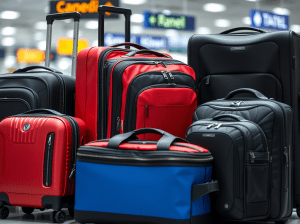
Even months after surgery, lifting a suitcase into an overhead bin can strain your chest and sternum. For many, it is not allowed by your care team until certain time milestones are met.
Before you go:
- Pack lighter than you think you need
- Use a spinner suitcase
- Ask for help lifting your bag
- Consider checking luggage
There is no medal for independence here. Protect your healing body.
4. What No One Talks About: The Emotional Side of Traveling After Surgery
The first flight post-op feels different. You may feel:
- More aware of your body
- More sensitive to fatigue
- More anxious about “what if”
- Or deeply grateful

My biggest tip?
Practice gratitude mid-flight.
Whether it’s a short domestic hop or a long-haul journey, take a moment at cruising altitude to reflect:
Your surgery was successful.
Your body is healing.
You are strong enough to travel again.
You are headed somewhere beautiful.
That perspective transforms the experience.
5. Adjust Expectations — Not Your Dreams
Travel after heart surgery isn’t about returning to who you were.
It’s about honoring who you are now.
- Build in rest time
- Plan fewer activities
- Choose accommodations thoughtfully
- Let your itinerary breathe
Recovery doesn’t mean shrinking your life. It means traveling with intention.
Final Thoughts
If you’re recovering from heart surgery — or any major procedure — please know:
You are not weak for needing accommodations.
You are not dramatic for planning carefully.
You are not behind because you need more rest.
You are healing, and healing is not linear.
And when you do board that first flight again, it will feel different — but in the most meaningful way.
If you’re planning travel during recovery and want help designing an itinerary that supports your health and energy levels, I would be honored to help you do it thoughtfully.
 Open Heart Travel Co.
Leave a comment